Skip to content
Home > Staff & Recruitment > HR Connect > Page 2

HR Connect

What is a Facilities Staff Bank and when will it commence?

A project group was established, in partnership, to explore the implementation of an NHS Greater Glasgow and Clyde Facilities Bank which will assist with filling both planned and immediate shortfalls in staffing levels on a daily basis.

Utilising the Board’s existing Staff Bank and expanding this to include Facilities employees would allow for Facilities services to plan staffing levels for periods of increased activity and to provide adequate service cover.

The Facilities Staff Bank will be implemented from November 2025 and will cover the following disciplines within Facilities:-

  • Band 2 Domestic Services
  • Band 2 Catering Services
  • Band 2 Portering Services

Internal Facilities staff can personally decide whether they wish to undertake any additional hours as a Bank shift or as per the existing excess / overtime arrangements. Existing Facilities staff will still be offered the same levels of excess/ overtime hours to ensure there is no detriment, and as per current arrangements. Any remaining unfilled shifts would then be offered via the Facilities Staff Bank.

Who can apply for the Facilities Staff Bank?

Currently, the Facilities Staff Bank is open to internal Facilities staff and external candidates (not working in NHS Greater Glasgow and Clyde). This will be further expanded in February 2026 for all NHS Greater Glasgow and Clyde to apply to join the Facilities Staff Bank.
 
Due to the scale of the project, an incremental approach has been agreed upon by the Facilities Staff Bank Project Group, which is as follows:
 

Phase 1 (October 2025)

Internal Facilities staff are able to join the Facilities Staff Bank within their current location and role. For example, a Domestic at QUEH could only undertake Bank Domestic shifts at QUEH.

Phase 2 (February 2026)

Internal Facilities staff are able to join the Facilities Staff Bank for all Facilities sites.
All GGC staff are able to join the Facilities Staff Bank.

What if I currently work regular excess and / or overtime hours?

There will be no change to existing Facilities staff who currently undertake regular excess and/ or overtime hours. Any available additional hours will continue to be offered to Facilities staff who currently undertake regular excess and/ or overtime hours. Only shifts not covered by excess and overtime hours will be progressed as a Facilities Bank shift.

How do I apply for the Facilities Staff Bank?

Facilities staff that hold a permanent post within NHS Greater Glasgow and Clyde are permitted to join the Facilities Staff Bank through the internal application process.

This is on the basis that as bank workers you are fully supported by your substantive line manager in delivering high standards of care to patients within the Facilities bank role. Before completing and signing the reference managers acting as your sponsor should consider your suitability to undertake Facilities bank work i.e. relevant mandatory training and competency.  

Access the internal Facilities advert.

Do you receive annual leave for working on the Facilities Bank?

Yes, you accrue annual leave hours whilst working on the Bank.  Annual leave can be requested by email to the Facilities Bank Contact Centre.

Bank annual leave is accrued at a rate of 12.07% or 1 hour of leave accrued for every 8.29 hours worked. A maximum of 210 hours of leave can be accrued by a bank employee in any one financial year.

What do you get paid for a Bank shift?

As the Facilities Staff Bank posts are Band 2, you will be paid the same hourly rates depending on what point of the pay scale you are placed on.
 
For example, if you are currently at the bottom of the Band 2 salary (£25,694 per year/ £13.31 per hour) then this will be your salary for the Facilities Staff Bank post. Or, if you are at the top of the Band 2 salary (£27,900 per year/ £14.46 per hour), then this will be your salary for the Facilities Staff Bank post.
 
For any hours you work that are classified as Saturday, Night or Unsocial, you will be paid an extra 44% for those hours on top of your basic rate of pay.  These will be shown separately on your payslip for that week.
                                           
For any hours you work that are classified as Sunday or Public Holiday, you will be paid an extra 88% for those hours on top of your basic rate of pay.  These will also be shown separately on your payslip for that week.
 
All time on Saturday (midnight to midnight) and any weekday after 8.00pm and before 6.00am: Time plus 44%

All time on Sundays and Public Holidays (midnight to midnight): Time plus 88%
 

What are the differences in working a Bank shift compared to working excess or overtime hours?

There is a single harmonised rate of time-and–a-half for all overtime, with the exception of work on general public holidays, which will be paid at double time.

Part-time employees will receive payments for the additional hours at plain time rates until their hours exceed standard hours of 37 hours a week.

All excess and overtime hours are paid on a monthly basis.

All bank shifts are paid at plain time plus any unsocial hours enhancement, should it apply.  Overtime rates do not apply for Bank shifts even if you work in excess of 37 hours per week. 

All bank hours are paid on a weekly basis.

If I join the Facilities Staff Bank, does my payroll number change?

A post with the Staff Bank is considered a second job, and therefore, you will retain your existing payroll number for your substantive role, and you will be assigned a new payroll number for your Facilities bank role.

Furthermore, you will also receive the terms and conditions of employment for your Facilities bank role.

Are there any tax implications if I join the Facilities Staff Bank?

A post with the Staff Bank is considered a second job and can increase your overall tax liability, but understanding how to manage your personal allowance and tax codes can help you minimise any impacts. Further information is available via: Tell HMRC if you have a new job or more than one job – GOV.UK

I am on the Nursing Staff Bank as a Healthcare Support Worker. Can I also join the Facilities Staff Bank?

Yes, if you are registered on the Nursing Staff Bank as a Healthcare Support Worker you can also join the Facilities Staff Bank. However, as the initial 3 months of the Facilities Staff Bank implementation is for internal Facilities staff to work in their own role in their own area this will result in only being able to book Healthcare Support Worker bank shifts for your own hospital site.

After the initial 3 months of the Facilities Staff Bank implementation, internal Facilities staff with then have the option to book shifts on other sites and for other Facilities roles. At this point, you will also be able to book Healthcare Support Worker shifts for all areas if you have previously registered for this Staff Bank.

Do I need to undertake any additional training to join the Facilities Staff Bank?

If you are working in the same role on the same site for a bank shift, then you do not require any additional training.

If you wish to work in a different role and/ or a different site for a bank shift, then you will need to undergo training and induction for that role/ site.

How do I book a Facilities bank shift?

This is a plShifts can be booked via the Loop app or via the Staffbank Contact Centre on 0141 278 2555. The Call handler will check to see what shifts are available on your provided dates and offer them to you. The more flexible you are the more work we will be able to offer you.

Can I change a booked shift for another shift elsewhere?

No, once you have committed to a shift the Staff Bank’s expectation is that you complete the booked shift.

Can I refuse to move wards/site from the ward/site I was originally booked for?

No, once a bank worker has accepted and agreed to undertake a shift, there is an obligation to work with the local management team in delivering patient care. This may involve being redeployed to other areas.

What happens if I need to cancel my shift?

To maintain high standards of patient care and staff safety, all Bank workers are required to follow the cancellation process when unable to attend a booked shift. During opening hours (8.00am – 8.00om, 7 days a week), please contact the Bank Office directly at 0141 278 2555. If you need to cancel outside of these hours, notify the clinical area at the earliest opportunity and follow up with the Bank Office when it reopens.

I am a member of Scottish Public Pension Agency (SPPA). What are the pension implications?

If your substantive post is full time 37 hours (36 from 01.04.26) the maximum contributions an employee can pay is on 37 hours, therefore any Bank post is exempt from SPPA contributions. Or, if your substantive post is less than full time, the hours worked up to the equivalent of 1929 per annum (1877 from 01.04.2026) would attract SPPA contributions. The auto enrolment for SPPA is activated with all contracts within NHS Scotland. Therefore, if you wish to opt out you must complete the opt out form, even if you have already completed one for your substantive role.

Was this helpful?

Yes
No
Thanks for your feedback!

KSF Personal Development Planning and Review Process is an ongoing process and integral part of practice. It links to the wide range of organisational and operational support mechanisms in place for staff throughout their career with NHSGGC.  

Induction

On commencing with NHSGGC, when changing roles or when returning from an extended period of absence, staff should receive an effective induction to support them in their role. This will enable objectives to be agreed and a Personal Development Plan to be developed to support their initial learning and application in practice. As such, it forms the initial stage of the ongoing KSF Personal Development Planning and Review process. Induction Portal

Staff Support and Wellbeing

The KSF PDP & Review process is a Person Centred approach. It links to ongoing wellbeing discussions with staff, provides a mechanism to discuss specific supports that staff may require and promotes open conversations for feedback highlighting recognition and appreciation of staff contribution. See the Staff Support and Wellbeing pages, HR Policies and Equality Diversity and Inclusion pages for further info on staff supports. 

Career Development

The ongoing KSF PDP & Review discussions can also be an opportunity to discuss staffs wider career development and to include planning around this. The Career and Development Planning Framework pages are designed to offer a wide range of information to help plan development activities for staffs current post and prepare for future roles as part of a career pathway.

Learning, Education and Training Service

The Learning, Education and Training Service offers a range of development opportunities for all staff from entry into post and throughout the span of their career. From formal qualifications to learning pathways, we will provide you with practical solutions tailored to your needs. This might be by gaining a work based qualification, attending a classroom session (where appropriate) or via digital learning.  

The Learning, Education and Training Catalogue outlines information on the wide range of tutor led and e-Learning courses that are available. Access to digital learning is flexible and resources can be accessed from mobile devices, work or home PCs at any time. You can also get support for learning through the NHSGGC Staff Bursary Scheme.

Organisational Development

The Organisational Development Pages also provide information on a range of interventions tools and resources to support ongoing development and learning including leadership development.

Professional Development

Individual professions will also have a range of resources available to support staffs ongoing professional learning and development.

Was this helpful?

Yes
No
Thanks for your feedback!

Below are the approved Minutes of Meetings of Area Partnership Forum Workforce & Strategy meetings from November 2024 onwards. To access Minutes of Meetings prior to November 2024, please contact the APF Administrator at kirstin.mckenzie@nhs.scot.

Was this helpful?

Yes
No
Thanks for your feedback!

Was this helpful?

Yes
No
Thanks for your feedback!

Engaging with staff side at the earliest opportunity is crucial for fostering a collaborative and supportive work environment, whether at a local level or boardwide. Early engagement ensures that staff members feel valued and heard, which in turn can lead to increased morale and productivity. By addressing concerns and ideas promptly, management can build trust and avoid potential conflicts, creating a seamless flow of communication. Furthermore, involving staff in decision-making processes from the outset cultivates a sense of ownership and accountability, which is essential for the successful implementation of policies and initiatives.

Please select the relevant area below with regards to engaging with the Area Partnership Forum (APF).

If further assistance is required, please contact the APF Administrator at kirstin.mckenzie@nhs.scot.

Board Partnership Documents

This Partnership Agreement has been developed jointly by the Board and the Trades Unions and Professional Organisations representing staff. The Agreement is designed to ensure staff are effectively involved in influencing the shape and implementation of decisions that affect their work, and offer managers the means through which staff views can be considered before taking the decisions for which they are responsible.

This Facilities Agreement, developed jointly by the Board and the Trade Unions and Professional Organisations representing staff, has been designed to establish a formal policy and procedure on trade union/professional organisation facilities. In developing the agreement cognisance was taken of the legal requirements placed on the Board, the Staff Governance Standard, and Partnership Information Network Policy and Practice.

How to Engage with Staff Side & the Area Partnership Forum

Prior to bringing papers to the APF please ensure that you have followed steps 1-2 (Boardwide or Local) of the Partnership Engagement Process (3rd link below). Papers will not be accepted for the Forum if staff side have not been engaged.

Seeking staff side representation differs depending on the Group you are requiring staff side input for. If you have a local group, please seek staff side representation via your local Staff Partnership Forum Staff Side Co-Chair and/or Deputy. For all Board & Corporate Groups, APF staff side representation should be sought via the link below.

How to Seek APF Staff Side Representation for Your Group. (Please note above)

How to Engage & Bring Papers to the Area Partnership Forum (Workforce & Strategy) (Both Boardwide & Local)

APF & Corporate Staff Partnership Forum Templates

APF Cover Template (to be used with APF Paper template below)

APF Paper Template (to be used with APF Cover template above)

Corporate Staff Partnership Forum Cover Template (to be used with CSPF template below).

Corporate Staff Partnership Forum Paper Template (to be used with CSPF Cover template above.

Was this helpful?

Yes
No
Thanks for your feedback!

The Area Partnership Forum (APF) serves as a pivotal platform for collaborative decision-making and strategic planning within NHS Greater Glasgow and Clyde.

Its primary role is where the NHS Board and 14 recognised Trade Union and professional organisations work together to improve health services for the population of Greater Glasgow and Clyde, and to engage in negotiations with the aspiration of making NHSGGC an exemplar employer.

The Area Partnership Forum will be a powerful enabling force to:

  • Inform thinking around priorities on health issues.
  • Inform and test delivery and implementation plans in relation to national strategies.
  • Advise on workforce planning and development.
  • Advise on the delivery of the staff governance legislation.
  • Promote equality and diversity.
  • Promote and Engage in Partnership Working.

Providing a structured environment for dialogue, the Forum ensures that all voices are heard and contributing to the formulation of policies that reflect the collective interests of the community. The remit of the Area Partnership Forum includes identifying priorities, allocating resources effectively, monitoring progress, and evaluating outcomes to ensure continuous improvement. By promoting transparency, accountability, and inclusivity, the Area Partnership Forum plays a crucial role in driving sustainable development, and improving the quality of life for residents within the area.

Forum meetings are divided between meetings concerned with a broad strategic agenda and those with an agenda constructed around matters more specific to employee relations. Meetings are Co-Chaired by the Chief Executive, Employee Director and the Director of Human Resources and Organisational Development. The Forum provides formal reports to the Staff Governance Committee of the NHS Board.

The terms of reference for the Area Partnership Forum can be found within the Board Partnership Agreement.

Was this helpful?

Yes
No
Thanks for your feedback!

Civility Saves Lives (CSL) is about how we treat each other at work. The CSL campaign aims to promote positive working relationships and raise awareness about how our behaviour with colleagues can have a direct impact on patient care and outcomes, and staff experience and wellbeing.

It is the responsibility of us all to work together and make conscious decisions about how we behave, so that everyone feels respected, valued, supported and empowered to carry out their work.

The campaign is grounded in research showing that even small acts of rudeness can significantly impact staff wellbeing, team performance, and patient safety.

You can contact your local Organisational Development Advisor to discuss or find out a bit more or visit our SharePoint where you can see the list of groups, contacts, Leads, and watch information videos and download copies of posters.

You can also find more information and read the FAQs.

World Kindness Day (13 November)

This year, NHSGGC is celebrating World Kindness Day on Thursday 13 November!

We encourage you to get involved on the day, either by visiting stalls or attending events at your site (more information coming soon!), celebrating with colleagues, or even just making time for a cup of tea and a chat.

Visit the World Kindness Day page for more information, six-week challenge activities, and the chance to nominate your colleagues to be recognised on the day.

Was this helpful?

Yes
No
Thanks for your feedback!

This year the Chair, Dr Lesley Thomson KC, presented the Chair’s Awards of Excellence which recognise outstanding achievement, expertise and dedication in patient care. As with all our awards, they celebrate the incredible efforts of our wonderful staff.

The Celebrating Success Event was held on Wednesday 28th May 2025.

The winners were announced live on the night on our social media channels (follow the #ggcawards tag).

You can find out who the winners were and also view their photos and videos below.

Congratulations to all our winners!

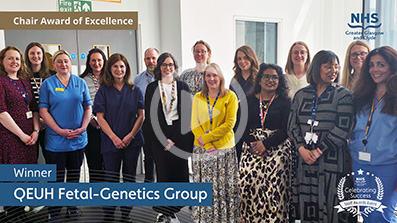
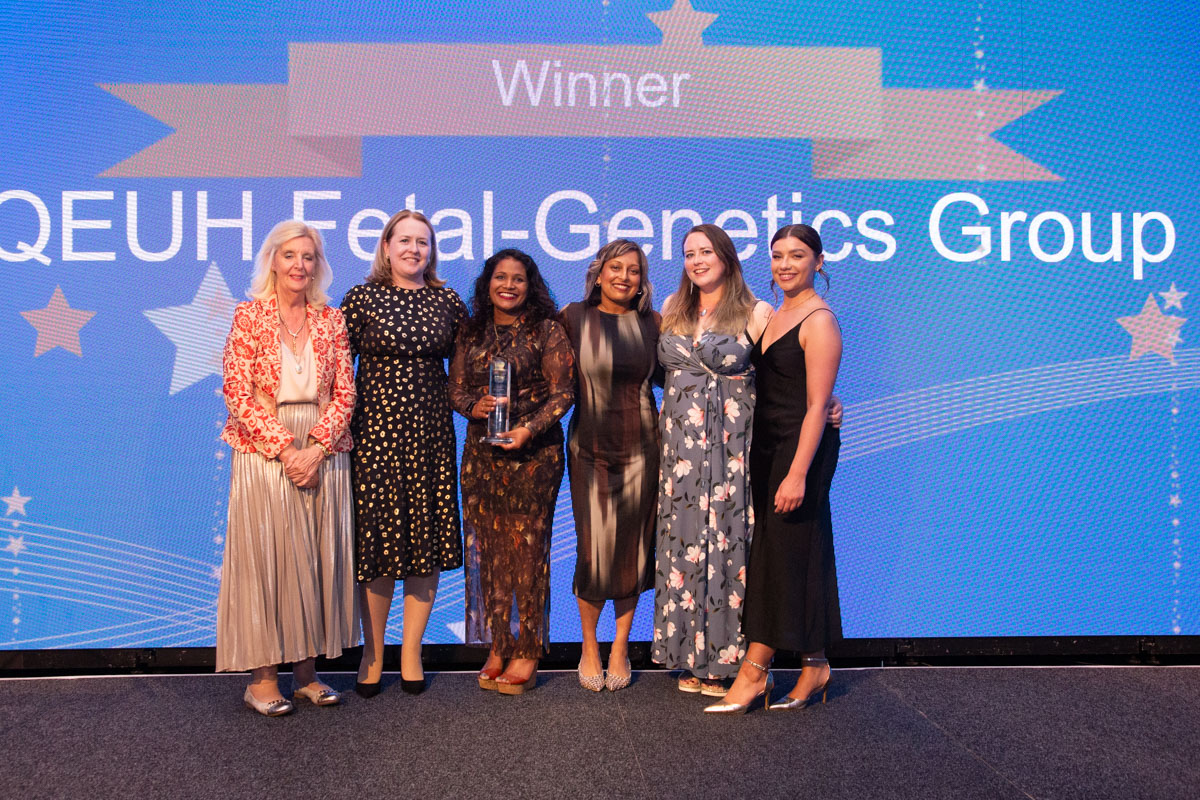
Chair Award of Excellence Winner – The Fetal-Genetics Group at the Queen Elizabeth University Hospital

The Fetal-Genetics Group at the Queen Elizabeth University Hospital has been established to improve the experience for patients and families planning or undergoing a pregnancy where there is a known family history of a genetic condition and/or pregnancy loss.

The Fetal-Genetics Group combines the skills of Consultant Obstetricians, Specialist Midwives, Consultant Geneticists, Genetic Counsellors and Clinical Scientists to provide a truly multi-disciplinary approach that allows the most appropriate support and information and any genetic testing to be made available to this group of patients at the earliest opportunity and throughout their pregnancy and beyond.

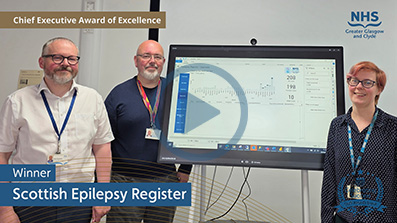
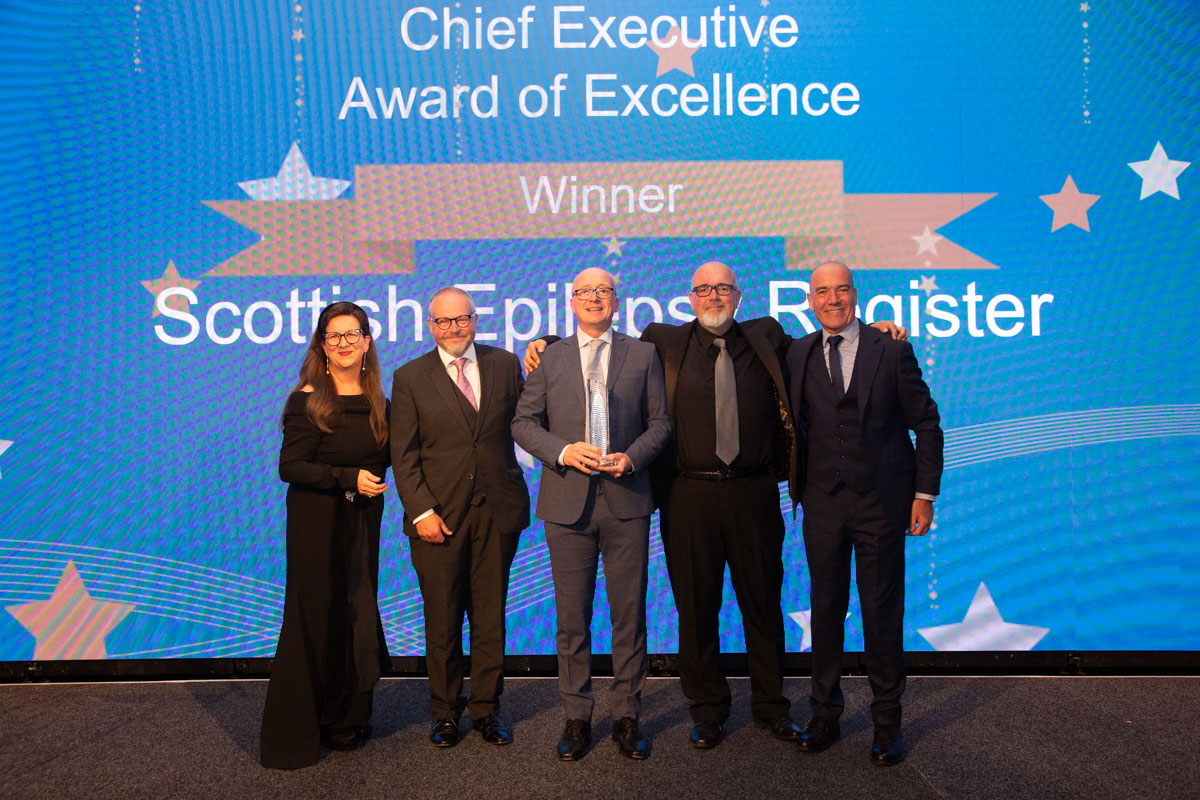
Chief Executive Award of Excellence Winner – Scottish Epilepsy Register

The Scottish Epilepsy Register has been developed under the leadership of NHSGGC Consultant Neurologist Dr Craig Heath and Johnathan Todd, Head of Information Management. Epilepsy is one of the most common neurological conditions, with an estimated 55,000 people living with it in Scotland. The Scottish Epilepsy Register uses routine health data, collected via a clinical dashboard, to provide an alert to healthcare professionals following a key adverse event. Its main aim is to reduce excessive mortality and morbidity in epilepsy and to improve access to care and outcomes in people living with the condition. 

As part of the project, key pieces of clinical information are collected from other health boards which will be used to create a Scottish National Audit Programme for Epilepsy, allowing trends and outcomes to be tracked and monitored. Once fully established, the methodology could be applied to other chronic neurological diseases to improve disease recognition and management.

Was this helpful?

Yes
No
Thanks for your feedback!

The William Cullen Prize for Excellence In Teaching and the William Cullen Prize for Service Innovation are awarded in collaboration with the Royal College of Physicians in Edinburgh.

The Celebrating Success Event was held on 28th May 2025.

The winners were announced live on the night on our social media channels (follow the #ggcawards tag).

You can find out who the winners were and also view their photos and videos below.

Congratulations to all our winners!

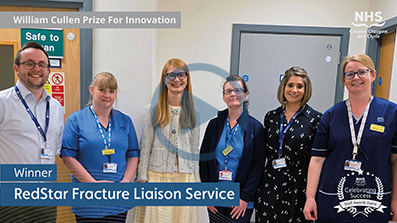
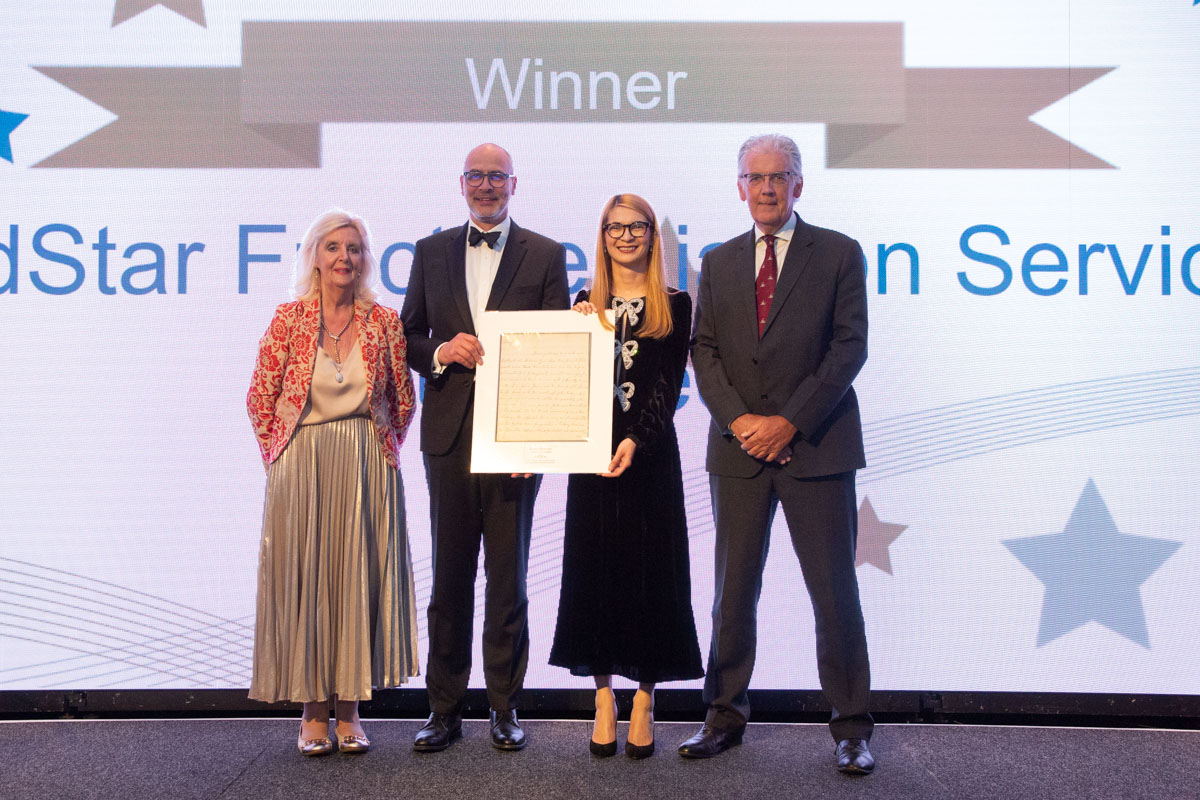
William Cullen Prize for Innovation Winner – Red Star Fracture Liaison Service based in the South Sector, led by Dr Maria Talla

The Fracture Liaison Service (FLS) aims to identify and treat patients over the age of 50 who have sustained a fragility fracture, and refer them for an assessment of their bone health in order to reduce their risk of subsequent fractures.

Dr Talla and her team have partnered with RedStar to develop a web-based clinician dashboard system known as RedStar FLS.

The dashboard has significantly reduced the time it takes for the Fracture Liaison Service to identify a patient who has had a fragility fracture, from an average of 15 months to 3 days. This allows prompt assessment and treatment initiation. An automated audit tool has been built into the dashboard and shows that the NHS GGC South Sector FLS is outperforming national FLS standards across the UK.

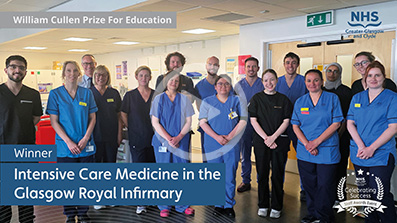
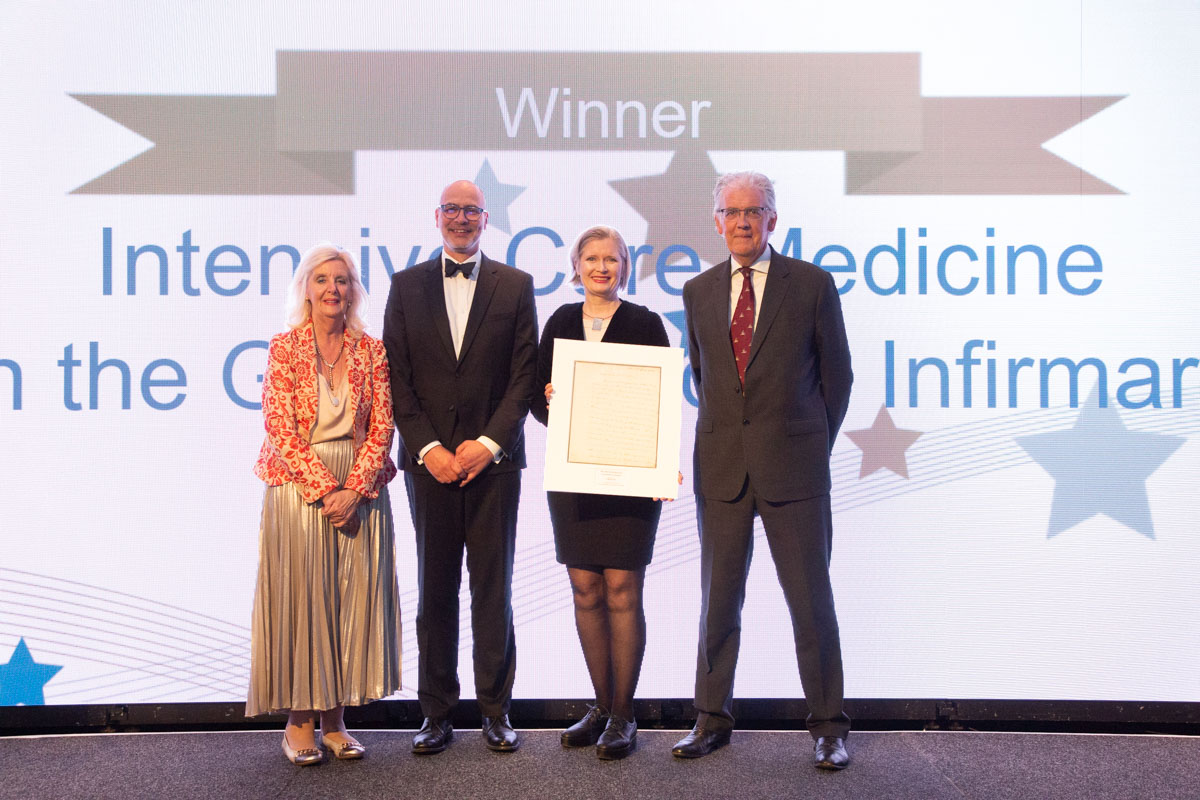
William Cullen Prize for Education Winner – Intensive Care Medicine in the Glasgow Royal Infirmary

Over the last year, this department has demonstrated an excellent profile in training all grades of doctors, from Foundation to Specialty resident doctors, and has been recognised in providing this in the Scottish Trainee Survey.

The department led by Dr Barbara Miles and her team performs well in many domains, and in particular in important areas such as induction and handover, creating a positive educational environment that is clearly appreciated by the doctors who work there.  There is a focus on learning through weekly MDT simulation scenarios and structured learning is provided in weekly education slots on site that can also be accessed remotely.

Was this helpful?

Yes
No
Thanks for your feedback!

Our dedicated teams and individuals were nominated for the prestigious NHSGGC Excellence Awards by patients, visitors and staff. All of our staff have gone above and beyond in the past year and we asked to hear about your experience of outstanding care and for your nominations.

There are 7 categories in our Excellence Awards and the winners were announced at the Celebrating Success Event on 28 May 2025.

The winners were announced live on the night on our social media channels (follow the #ggcawards tag).

You can find out who the Gold Winners were, read about the Silver Winners who were shortlisted, and also view photos and videos in each of the categories below.

Congratulations to all our winners!

Better Care

This award recognises staff who provide and contribute towards incredible patient care improving everyday practices across NHSGGC.

Nominees

Cancer Older People’s service

The Cancer Older Peoples Service at the Beatson has successfully established and implemented a comprehensive Occupational Therapy service which is specifically designed to support older cancer patients. It is the only service of its kind in Scotland and uses targeted interventions to significantly improve functional outcomes for patients, as well as supporting their health and wellbeing. The team also concentrates on ensuring safe discharge for patients from hospital, and the best ways to avoid unnecessary hospital admissions. They will undertake a thorough assessment of a patient’s physical, psychological, and social needs, while also incorporating age-specific screenings and interventions into routine cancer care. 

Evaluation has shown positive improvements in clinical outcomes, patient satisfaction, and overall cost-effectiveness, with clear areas identified for further growth. The team is currently in discussion with other cancer centres across the country to share its framework, which has proven to be a highly transferable model. 

Charley Mcdowall – Transition clinic within Inverclyde CAMHS

Charley is a specialist mental health nurse working in the Child and Adolescent Mental Health Service in Inverclyde. She spearheaded the development of a dedicated ‘transition’ clinic for older adolescents after identifying a gap in care for this group. Previously, those aged 17 or over who were waiting for assessment and/or treatment were frequently transition to adult services when they turned 18. The new clinic provides immediate access, assessment and treatment for young people aged 17 years and 6 months and older. 

This initiative has provided timely access to care and treatment for mental health concerns, and has facilitated further assessments and exploration of diagnoses such as autism spectrum disorder and attention deficit hyperactivity disorder, as well as cognitive difficulties. The results have been overwhelmingly positive, including improved mental health outcomes for young people, prevention of deterioration, timely neurodevelopmental diagnoses and treatment, and a reduction in referrals to adult mental health services.  

Hannah Grant, Advanced Practice Dietetic Led Coeliac Service NHSGGC 

Hannah has successfully transitioned the Coeliac Disease service from a consultant-led to a Dietetic Led Coeliac Service, marking a significant advancement in patient care. This initiative addresses the lifelong management of Coeliac Disease, which requires the strict elimination of gluten from the diet. Over the past two years, Hannah has implemented a streamlined process ensuring timely access to diagnosis and dietary interventions for all patients, significantly reducing over 300 unnecessary biopsies.  

The service prioritises patient-centred care by allowing dietitians to manage all referrals from primary and secondary care, ensuring that medical colleagues can focus on the most critical cases. This innovative model not only enhances patient care but also optimises resource utilisation within the healthcare system.  

What makes this service truly special is its status as the first dietitian-led clinical pathway in adult gastroenterology at scale. Hannah’s evidence-based approach has revolutionised the treatment of Coeliac Disease, demonstrating the essential role of dietitians in gastrointestinal management and improving patient outcomes through dietary changes. 

QEUH Fetal-Genetics Group  

The aim of the Fetal-Genetics Group team at the Queen Elizabeth University Hospital was to change the clinical experience for patients and families planning or undergoing a pregnancy where there is a known family history of a genetic condition and/or pregnancy loss. When a routine ultrasound scan shows some fetal anomalies that may be due to a genetic cause, this can result in a period of worry and distress for the patient/couple until more information is available, so time is of the essence to either reassure the patient/couple or equip them with the appropriate information to help them make informed choices about their pregnancy and/or postnatal care. 

The Fetal-Genetics Group combines the skills of Consultant Obstetricians, Specialist Midwives, Consultant Geneticists, Genetic Counsellors and Clinical Scientists to provide a truly multi-disciplinary approach that allows the most appropriate support and information and any genetic testing to be made available to this group of patients at the earliest opportunity and throughout their pregnancy and beyond. 

Scottish Epilepsy Register 

The Scottish Epilepsy Register has been developed under the leadership of NHSGGC Consultant Neurologist Dr Craig Heath and Johnathan Todd, Head of Information Management. Epilepsy is one of the most common neurological conditions, with an estimated 55,000 people living with it in Scotland. The Scottish Epilepsy Register uses routine health data, collected via a clinical dashboard, to provide an alert to healthcare professionals following a key adverse event. Its main aim is to reduce excessive mortality and morbidity in epilepsy and to improve access to care and outcomes in people living with the condition.  

As part of the project, key pieces of clinical information are collected from other health boards which will be used to create a Scottish National Audit Programme for Epilepsy, allowing trends and outcomes to be tracked and monitored. Once fully established, the methodology could be applied to other chronic neurological diseases to improve disease recognition and management. 

Better Health

This award commends staff who have implemented an initiative to improve the health and wellbeing of patients, the public and/or staff.

Nominees

Pain Management Service

The Pain Management Service has recognised for a long time, significant health inequalities and barriers to access for patients with communication support needs. For non-English-speaking patients, language barriers often create significant challenges when navigating the healthcare system. This is particularly true in specialised services like pain management, where understanding treatment options and communication with healthcare providers is critical for successful outcomes.  

The service made it their priority to break down these barriers and improve accessibility, ensuring that every patient has the support they need, in the language they understand. To help achieve this and informed by patient and staff feedback, the team launched a number of initiatives from revision of patient materials to incorporating pain management into interpreter training. 

The result has been a whole system approach bringing better accessibility for patients for whom English is not their first language and greater engagement with healthcare services, and as well as enhancing the patient experience the initiative has also strengthened the clinical team. 

Gillian Harvey, Health Improvement Lead (Acute)  

Gillian has been instrumental in addressing health inequalities through her leadership of the Support and Information Services (SIS) team at NHSGGC hospitals. She spearheaded crucial initiatives like the Emergency Food on Discharge program, ensuring that no patient leaves the hospital without food. These programs are now core services, sustained despite budget constraints. 

Gillian also developed the Home Energy Crisis Response Service, which helps patients safely return to warm homes—a vital component in preventing delayed discharges. Her team actively engages with vulnerable populations, offering financial advice and support to those facing poverty. In 2023-24, SIS facilitated 3,762 referrals to financial inclusion services, resulting in over £4.5 million in financial gains for patients.  

Gillian’s exceptional leadership has fostered a motivated SIS team that provides holistic support, ensuring that patients receive the assistance they need while navigating the challenges of the cost of living. Her commitment to tackling health inequalities is both impactful and inspiring, making her a deserving nominee for this award. 

The Apple Clinic: prehab into rehab – Clyde 

The Apple Clinic is a multidisciplinary team covering the Clyde sector, with the shared aim of getting patients in the best physical and mental health before, during and after their surgery. The team provides prehabilitation-into-rehabilitation and have been running the clinic for nearly 10 years and have seen between 500-600 patients. They assess each surgical patient and refer them for exercise and physical activity at either their own exercise classes, or to community partners, local charities or private services.  

Physiotherapists Mhairi and Louise Crookston run the Inverclyde Royal Hospital Apple Clinic. They run weekly group circuit classes for patients awaiting surgery, which family members can join to provide support. The clinic has been transforming the surgical department by engaging nurses and Allied Health Professionals trained in exercise, health advice and cognitive behavioural therapy, all of which has reduced complications, shortened hospital stays and improved post-surgical recovery for patients.  

Better Value

This award is for staff who have increased efficiencies taking a new approach to work making better use of resources.

Nominees

North West Primary Care – Zendesk  

Zendesk aimed to streamline community pharmacy queries to enhance patient care in the North West of Glasgow City. Utilising the platform, community pharmacies submitted queries online rather than by phone, allowing for quicker and more efficient handling. Key objectives included routing queries to appropriate pharmacy team members, reducing administrative workload in GP practices, and improving turnaround time for medication-related issues.  

Launched in November 2024, the system handled 435 queries in two months, with 81% resolved by Pharmacy Support Workers, thereby freeing up over 60 hours of pharmacist capacity for face-to-face patient care. The initiative not only saved staffing costs—almost £850 in eight weeks—but also provided self-help resources for community pharmacies.  

With expectations to handle over 15,000 queries annually, the project is set to release nearly 2,100 hours of pharmacist time and achieve annual savings of approximately £31,000. This innovative use of IT to direct workload enhances service efficiency and patient safety. 

NHSGGC Biorepository

NHS Greater Glasgow and Clyde’s Biorepository is the first in the UK to achieve accreditation to ISO20387:2018, the new biobanking standard. It was awarded this by the United Kingdom Accreditation Service (UKAS), the UK’s national accreditation body, becoming only the eight biobank in the world to achieve this. There have been many improvements to the Biorepository’s quality processes and this has improved the service it provides to academic and commercial researchers, supporting their world leading medical research with access to surplus diagnosis tissue and blood.   

Accreditation against an ISO standard is a key indicator of high-quality processes and technical competence in the handling and storage of tissues used for research activities. 

The Biorepository, based on the Queen Elizabeth University Hospital campus, stores and provides access to a wide range of human tissue for use in valuable medical research into a range of diseases.   

Dry Mouth/Sjogrens Multi-disciplinary clinic at Glasgow Dental Hospital 

The clinic was set up in 2024 to provide a one-stop service for patients with symptoms of Sjogrens disease. Sjogrens is an autoimmune disorder with an increased lifetime risk of lymphoma development, and its diagnosis involves a range of investigations previously undertaken over three appointments. 

By establishing the clinic – the first of its kind in Scotland – Consultants in Oral Medicine and Dental Radiology have enabled all the necessary investigations to be undertaken in a single appointment, allowing patients with negative results to be discharged to their general dental practitioner after one visit and patients with confirmed Sjogrens to have their cases managed more efficiently. 

In the first six months of operation, this new approach saw 30% of patients seen by the clinic discharged after their initial visit, saving around 60 future appointments with Dental Radiology and Oral Medicine. The effect of patient experience has been positive too, and in local questionnaires, every patient has appreciated this more streamlined approach. 

Better Workplace

This award recognises the often unseen work of our staff who help make NHSGGC a better workplace, improving the culture and supporting colleagues.

Nominees

GGC Allied Health Professions Practice Education Team  

The GGC Allied Health Professions (AHP) Practice Education Team aimed to enhance the educational experience for students and AHP staff within NHSGGC by implementing a multi-dimensional education programme. The AHP Director prioritises an inclusive education strategic framework for 12 healthcare professions, including AHP Health Care Support Workers (HCSW), ensuring access to innovative learning opportunities for the current and future workforce.  

The Practice Education Team has played a pivotal role over the past two years by collaborating with key partners, improving communication, and designing new AHP educational opportunities. Their efforts have raised the profile of AHPs, transformed NHSGGC’s educational offerings, and supported career development for staff and students. 

Key deliverables include enhancing practice-based learning placements, developing a funded modular programme in collaboration with Glasgow Caledonian University, and supporting HCSW workforce development through flexible programmes. The team also plays a vital role in staff support during the recovery renewal period, leading initiatives like the Return to Practice programme and promoting clinical skills through simulation.  

Their commitment to education governance and service improvement significantly contributes to the overall wellbeing and professional growth within NHSGGC. 

Internationally Educated Nurses Oversight Group  

The Internationally Educated Nurses Oversight Group aimed to enhance recruitment, professional governance, and pastoral care for Internationally Educated Nurses (IENs) joining NHSGGC. By facilitating discussions among multi-disciplinary professionals, the group streamlined support for IENs addressing key concerns like visa processes, accommodation, and education. Members included Human Resources, Senior Nursing Managers, and Practice Education, ensuring collaborative efforts to foster a positive working environment and address IENs’ needs.  

The group’s success is reflected in several impactful initiatives: the creation of a welcoming NHSGGC handbook, improved collaboration with Higher Education Institutions for upskilling, regular staff presentations to address IEN challenges, and the introduction of a ‘My Nurses Life’ workbook. Additionally, a dedicated website for IENs was launched, alongside the first-ever ‘Welcome to the UK Workforce’ workshops held in Scotland.  

In 2023-24, NHSGGC became the leading board in Scotland for employing IENs, successfully adapting strategies based on feedback from the previous cohort. This comprehensive approach not only enhanced integration but also cultivated a culturally aware and psychologically safe environment for IENs. 

Stacey Kavanagh – Nurse Team Lead, South alcohol and drug delivery service in Pollok  

Stacey is a manager who has created a workplace that is not only comfortable but also supportive and inclusive for everyone. She consistently looks out for her colleagues, offering guidance, encouragement, and a listening ear, and has created a team where everyone feels valued.  

She ensures that all work progresses smoothly, addressing challenges proactively and stepping in to help when difficulties arise, while she actively encourages and supports team members in their professional growth, providing mentorship and opportunities to learn and advance. 

This approach has fostered a positive, inclusive and efficient work environment and ensures her team feels supported, motivated, and well-equipped to handle both day-to-day tasks and challenging situations. 

As a result, the team has seen improved efficiency and productivity, while there has been a noticeable improvement in staff retention. Numerous team members have expressed their appreciation for Stacey’s leadership, approachability, support and commitment to fairness, and have noted an increase in job satisfaction as a result. 

Nursing and Midwifery Council (NMC) Referrals Database (Rob) 

The aim of the project was to redesign the NHSGGC database and governance process for NMC referrals, enhancing data protection and confidentiality while improving communication channels. Identifying risks in the previous system, Michelle Murray-Moore undertook training to explore innovative IT solutions that would streamline information sharing within the NMC referral process. Collaborating with Tracy Donaldson, they developed a user-friendly database with effective reporting functionalities and key document templates.  

The success of the new system has been recognised by senior nursing and midwifery managers and the NMC Regulatory Adviser, highlighting several benefits: a robust governance process, a clear single point of contact, user-friendliness, and flexibility for future adaptations.  

This initiative has remarkably improved NMC referral management, fostering transparency and maintaining confidentiality for staff under investigation. It has significantly enhanced efficiency, enabling the NHSGGC team to respond promptly to NMC and service colleague requests and freeing up resources for other important workstreams within the Directorate. This impactful achievement exemplifies innovation and dedication to excellence in healthcare governance. 

Global Citizenship

This award recognises staff who have travelled overseas to provide healthcare and/or education in developing countries or countries in crisis.

Nominees

Breast cancer care in Gaza

Breast Cancer Advanced Nurse Practitioner Gerry O’Hare and Dr Abdulla Alhasso, a Consultant Clinical Oncologist, bring a combined 20 years of experience in supporting cancer care in Palestine, with a particular focus on breast cancer in Gaza. Breast cancer outcomes for women in Gaza are significantly worse when compared to neighbouring countries and international benchmarks. Gerry and Abdulla have undertaken regular visits to Gaza over the past five years, which has been done in their own time and with the support of the Medical Aid for Palestinian organisation.  

They collaborate with healthcare professionals in Gaza to enhance the clinical outcomes for women diagnosed with breast cancer by improving both their diagnosis and treatments. The pair also participate in weekly online multidisciplinary meetings with Palestinian colleagues to discuss optimal care for women presenting with early and advanced breast cancer, while also navigating the extremely challenging local circumstances.   

Professor Sameer Zuberi – Paediatric Neurosciences Unit, Royal Hospital for Children  

Professor Zuberi is a committed advocate for epilepsy care in children across at a national, European and global level. He is an active participant in international research, and his work has helped in improving the diagnosis, treatment and care of children with epilepsy, improving their quality of life and allowing them to achieve their potential in life, education and future career.  

He makes regular use of vCreate, a technology by which parents send video clips to clinicians who can advise, in real time, on the significance of an event that worries parents and also helping make a diagnosis in difficult cases of epilepsy 

He has chaired the European Paediatric Neurology Association and played an important role in the twinning of the Royal Hospital for Children with the Children’s Hospital in Karachi, Pakistan. He had helped to foster links with and training and support for neurologists in Ukraine as well as supporting efforts to train and educate colleagues working in Palestine and Gaza. 

Dr Mark McAuley GP Partner Regent Gardens Medical Practice Kirkintilloch, Assistant Director of General Practice for West of Scotland (NHS Education Scotland)  

Dr McAuley, a partner at Regent Gardens Medical Practice for over 25 years, and Assistant Director of General Practice for West of Scotland (NHS Education Scotland), has demonstrated exceptional commitment to both his local community and global health initiatives.  

He has volunteered with Freedom from Torture for over 11 years, where he provides medicolegal assessments for survivors of torture, ensuring their human rights are upheld through rehabilitation support. His extensive training allows him to document the physical and psychological effects of torture, aiding asylum seekers and refugees in rebuilding their lives.  

In addition, he has contributed to the development of primary care in India through his ongoing partnership with CMC Vellore. He conducted a successful training workshop in October 2022, which spurred further engagement and recognition at international conferences. As a PRIME tutor, he has also visited Albania multiple times to enhance family medicine training.  

His selfless dedication to these global initiatives while providing exemplary care to his local patients makes him a deserving nominee.  

Nursing and Midwifery

This award recognises nurse(s) who demonstrate the best qualities of patient care and the ethos of nursing.

Nominees

Brachytherapy Nursing Team

Nurses on the Beatson’s B3 ward are a highly specialised team helping to care for women with gynaecological cancers. They deliver brachytherapy, a type of radiotherapy that gives radiation inside the body and run the only nurse-led service in Scotland for women who require this treatment. The nurses pre-assess and examine patients and insert the necessary cylinders to allow patients to receive high dose radiation within a specialised unit.  

This is a regional service for patients attending for sealed and unsealed sources of treatment. Melanie Whyte, Senior Charge Nurse, has been instrumental in helping to develop and implement the necessary protocols, safety advice and training for nurses in the unit. Patient feedback has confirmed patients attending the unit are happy with the service, and turnaround time has improved service delivery while also taking a huge time commitment away from Senior Consultants who previously carried out these treatments. 

Susan Hunt, Professional Nurse Lead GPN/ANP  

Susan was closely involved in efforts to enhance excellence in care within NHSGGC by supporting trainee Advanced Nurse Practitioners (ANPs) in developing the knowledge, skills and competencies required for advanced practice. In collaboration with NHSGGC Advanced Practice corporate team and Glasgow Caledonian University (GCU), she developed and delivered a hugely successful work-based Masters-level learning module to support trainee ANPs to reach the level of extended practice expected of them.  

The module is facilitated by Susan and trainees are given a safe space to discuss individual clinical cases which allows for open discussion and joint learning, as well as facilitating peer support and engagement. Her ability to engage trainees on a personal level helped the trainees navigate the complexities of their new roles, providing reassurance and guidance, and ensuring they felt valued and supported.  

Around 120 staff have competed this module and have gone onto work as ANPs. The result is a stronger, more skilled ANP workforce, improving patient care and making a lasting difference in primary and community healthcare services. 

Tissue Viability Team (Dykebar)  

The Tissue Viability Nursing Team at NHSGGC, a cohesive group of 10 nurses, is dedicated to supporting patients with complex wounds, receiving up to 850 referrals monthly. Renowned for their expertise, this team implements innovative, person-centred initiatives that enhance care while effectively using resources.  

One key initiative focused on reducing unnecessary documentation, which previously consumed up to three hours per shift. They developed an ABCD system that emphaises meaningful record-keeping and effective communication. Additionally, they transformed patient repositioning practices by moving away from ritualistic two-hour checks, allowing for more personalised care that improves patient comfort and nursing efficiency. This approach, supported by evidence from case reviews and focus groups, has led to significant time savings and better patient outcomes.  

The team enhances education through engaging workshops, utilising games such as wound care bingo and interactive quizzes to facilitate learning. Their efforts have gained international recognition, influencing wound care practices across the UK and beyond, and have been published in peer-reviewed journals, showcasing their commitment to advancing wound care.  

Volunteer

Recognising people who go the extra mile contributing tirelessly and providing outstanding help and support for the benefit of others.

Nominees

Morag Brierton, RAH volunteer

Morag is NHS Greater Glasgow and Clyde’s longest serving volunteer in acute services, having volunteered with the organisation for over 15 years. She is a Volunteer Driver for the Royal Alexandra Hospital Health at Heart team and transports patients to and from the hospital for cardiac rehab exercise classes in the Health at Heart gym. Within the service, patients also receive physiotherapy, education sessions, practical advice and emotional support, helping to rebuild their confidence and come to terms with a range of different heart conditions. 

Transport within and around Renfrewshire to the hospital can be challenging, particularly for patients living in semi-rural areas. But Morag’s vital support helps break down barriers for patients – many of whom are older and at risk of isolation – in accessing the rehab programme. They enjoy spending time with Morag in the car having a chat, and she builds strong relationships with them over the weeks she is picking them up and taking them home.  

The Growing Spaces Garden Volunteers – Gartnavel  

The value of greenspace to our health and wellbeing is well documented, and the Garden Volunteer team are central to NHSGGC’s efforts to offer multi-purpose spaces in nature, where patients, staff and the general public can find a place to relax, meet friends or simply have a moment of peace.  

The volunteers work throughout the year to maintain the garden spaces at Gartnavel, and thanks to their skills and foresight, they have developed a donation stall on which are offered plants for visitors and participants who use the gardens. This helps sustain the current infrastructure as the garden has no allocated budget. Surplus produce and cut flowers are shared with patients and staff throughout the campus. 

They are the welcoming face of our Growing Spaces and work with a range of third sector organisations, as well as staff and patient groups, to share and promote the benefits of our greenspaces. They are always looking to improve their work and will happily act on suggestions, attracting positive feedback from those who visit the gardens. 

Queen Elizabeth University Hospital – Volunteer Welcome Guides (10-year anniversary)  

When the Queen Elizabeth University Hospital opened to the public in spring 2015, a team of 100 volunteers were recruited to be the friendly faces people needed when arriving at one of the largest acute hospital campuses in Europe. Ten years later, 30 of those 100 people are still actively serving as welcome guides, marking a decade of commitment.  

The volunteers come from a diverse range of backgrounds and include former patients, NHS employees and aspiring medical students, as well as a 91-year-old participant which is truly inspiring. This long-term dedication and diverse experience undoubtedly contribute significantly to the welcoming and supportive atmosphere.  

The welcome guides play a vital role in supporting patients, families and visitors and helping to alleviate stress. By dedicating on average 150 hours per week, they ensure a positive experience for those entering the hospital and help to guide individuals to their desired destinations.  

gold and silver stars

Was this helpful?

Yes
No
Thanks for your feedback!